
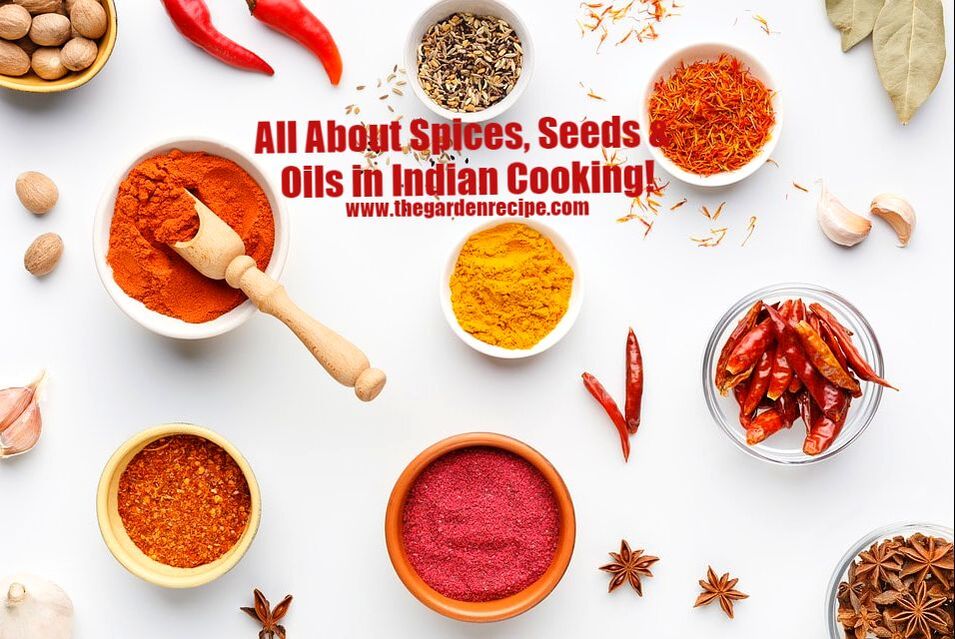
 Learn about spices in Indian cooking, along with herbs, oils & the secret ingredients that bring out the aroma, flavor and the amazing health benefits of Indian recipes. Indian cooking is complex - it is a construct of various spices, seeds, herbs and blends. Each recipe has distinct flavors that you can only guess is made with plethora of spices but to know which spices exactly is another game!
In this article, I have listed all the spices, spice blends, savory seeds and oils I use in my Indian recipes. The main purpose of it was to help make it easier for my Western friends and to provide one rich source of information that they can use as referring guide to buy and stock up on items for their Indian or ethnic flair! The amazing thing about these spices and seeds is that they will not only enhance your Indian or Pakistani style cuisine but also help you enhance some other recipes like soups, rice pilaf, quinoa, couscous, spreads, etc. Many of these spices are also used in African cuisine - which is another lovely cuisine that is very rich in flavors and similar recipes like curries, thin flat-breads, and so on. Bay leaves, cumin, caraway, cardamom, cloves, ginger, peppers, turmeric, red pepper, are just some of the spices similar to Indian cuisine that are also used in Africa cuisine. As you will see, having these spices and spice blends will give you many options to enhance the recipes as well as mix and match for different types of cuisine. So, let's start this very interesting article... Oils in Indian Cooking - 1. Mustard Oil (Sarso Ka Tel) - Mustard oil is THE main oil of India - especially North India, though it is loved and used all over India. It has been used since centuries in India and till today can be found in every Indian household. The deep ethnic taste in some Indian food you ate vs. the tasty-but-forgettable Indian food is the mustard oil difference. In India, village food is considered the healthiest, purest and the tastiest. Guess which oil these villagers use? If you guessed mustard oil, then you are correct! Extracted from the yellow, brown and black seeds, mustard oil is considered highly anti-bacterial, anti-inflammatory and rich in monounsaturated fats. This makes it good for heart health, healthy for joints and bones, beneficial for skin and hair, lowers bad cholesterol (LDL), and helps in circulation. Another benefit of mustard oil is that it is extensively used for baby massage, hair massage and joints massage in India. Warm mustard oil along with some crushed garlic cloves is a great recipe for tired, arthritic joints. For hair fall and premature graying, mustard oil is considered the best remedy. With its unique, pungent aroma and beautiful yellow hue, its time to buy your mustard oil and start savoring! Mustard Oil I Recommend - Jiva Organics Mustard Oil 2. Organic, Unrefined Coconut Oil (Nariyal Tel) - I use unrefined coconut oil in lot of my recipes when I am not using mustard oil. It has light aroma and does NOT add coconut flavor to the recipes. If you have been on health wagon, you already know the benefits of coconut oil and so, I will not spend much time discussing all of them here. A superb benefit of coconut oil is that is is great for blood sugar balance and helps diabetics. It is also highly anti-viral, anti-bacterial, anti-fungal and therefore, helps protect the digestive tract from intestinal germs. It lubricates the joints, the digestive tract and (while being consumed), cleans the mouth and teeth from germs. It is great for the whole family - this oil is great for cooking as well as skin and hair care. Can be given daily to dogs for clean teeth, healthy mouth and shiny coat. Aids both humans and pets in preventing arthritis, joint aches and pains. Buy the large size is what I recommend! Coconut Oil - Nutiva Unrefined Coconut Oil Spices in Indian Cooking - 1. Turmeric (Haldi) - We all know the zillion benefits of turmeric - buy it! It is great in Indian recipes as well as Golden Milk a.k.a my Turmeric Milk Recipe. Organic Turmeric I use - Jiva Organics Turmeric Root Powder - Lab Tested for Heavy Metals (32 oz) Organic Turmeric Root Whole (7 oz) 2. Red Chili Pepper (Lal Mirch) - LOVE red chili pepper! But not just any, it has to be my favorite brand Jiva Organics Red Chili Pepper! I love using this in my vegetables recipes and it goes especially well with sweet potatoes, for some odd reason. The combo of sweet potatoes and this red chili powder is like peanut butter and jelly! Organic Red Chili Pepper - Jiva Organics Red Chili (7 oz) 3. Cumin Powder (Jeera Powder) - The wonderful thing about cumin powder is that it is great for many types of cuisine - from Mexican to African to Indian and to European, cumin powder has survived the test of...taste buds and is used all over the world since time immemorial. Cumin powder is great for blood sugar, is rich in iron, is anti-bacterial and helps flush out the toxins from the body. But most of all, it is a powerful aid in digestion - it prevents gas and bloating and helps this way in indigestion issues. Add it to your lentils, beans, curries, vegetables - it is great and goes with every recipe! In India, we drink cumin seeds or cumin powder tea in the morning. HERE is my article on it, therefore, I suggest you buy bulk pack and save money! Organic Cumin Powder - 1 LB - Starwest Botanicals Organic Cumin Powder in Jar - 1 LB - Jiva Organics 4. Coriander Powder (Dhaniya Powder) - This goes hand-in-hand with the cumin powder. They both are used together pretty much all the time in Indian recipes. Coriander is also called cilantro, so this is basically the grounded cilantro seeds powder. Just like cumin powder, coriander powder helps with treating digestive issues. Coriander seeds are great for gas, bloating, intestinal inflammation, nausea, diarrhea, etc. Your purpose is not to just enhance the flavor of food you eat - it is also to enjoy its health benefits! With adding spices like coriander powder, you will reap both the enhanced taste and the health benefits in your food. NOTE: I prefer the first option since it comes in a bag and does NOT use a plastic jar. But if you prefer a plastic jar and can re-use it (to reduce environmental wastage), then go for second option (Jiva Organics). Organic Coriander Powder - 1 LB - Starwest Botanicals Organic Coriander Powder - 1 LB - Jiva Organics 5. Red Kashmiri Chili Powder (Deggi Mirch) - This powder is from the state of Kashmir, as the name implies. However, due to low number of farmers in the area, Kashmiri red chilies are grown outside of Kashmir as well. It is used a lot in Indian cooking and it is what gives that lovely reddish hue to Indian recipes. Indian curries, lentils, tadka/tempering usually have yellow and light red hue at the top - well, the yellow is due to turmeric and curry powder whereas the red is specifically due to this chili powder. It is very mild in heat index and is mainly used for its color imparting property in the recipes. You can use this in curries, lentils, beans, rice pilafs, biryanis, soups, stews, and even some home-made flat-breads like tortillas, naan, roti, savory pancakes, etc. You can also use this powder for Thai recipes like Red Curry and soups where you like mild heat - such as my Gazpacho. Kashmiri chili powder is a key ingredient in tomato gravy as well as Tandoori spice mix. Here Red Kashmiri Chili Powder (7 oz or choose your size) - Rani Brand MDH Deggi Mirch Powder (3.5 oz) 6. Asafoetida (Hing) - I talked a lot about asafoetida (hing) in my article Asafoetida: A Pinch of A Cure. Asafoetida is revered in Ayurveda for its aid in helping digestion and even more so, for help in preventing gas or bloating from beans, legumes, and lentils. Asafoetida or hing is used in our tempering (tadka) to give the aroma and flavor of garlic and onions. Asafoetida is a great spice for those who are avoiding garlic and onion but want the flavor and the aroma in the recipe. Asafoetida - Hing Powder - By Pure Indian Foods (Mini 20 G Jar) Naturevibe Botanicals Organic Asafoetida Powder (3.53 oz) 7. Dry Mango Powder (Amchur) - Dry mango powder is used a lot to add sourness to the recipes like chutneys, snacks, vegetables especially okra. It add that tart, lemony flavor that is great for adding some tang to the dishes. It is great with eggplant, okra, lentils, chutneys and even curries. In turn, it also adds the nutritional benefits of dry, unripe, green mangoes when they are out of season. MDH Amchur Powder (100 g) Deep Amchur Powder - Choose Your Size. 8. Bay Leaves Powder (Tej Patta Powder) - You MUST incorporate bay leaves powder in your cooking if you are to balance your blood sugar. Unfortunately, most health sites and recipe bloggers do not know about the bay leaves powder and its powerful blood sugar benefit - hence, the public is still very unaware of it. But since you are lucky and you read it here and know about it, its time to invest in some good bay leaves powder and start using it right away! And no; grinding bay leaves at home is not going to cut it - you will end up with the small sharp edges of the bay leaves and it's not going to be pleasant when they get stuck between your teeth or your throat! Buy the powder and let the companies do the work. Organic Bay Leaves Powder (8 oz) Organic Bay Leaves Powder (Bulk - 2 Lbs) Bay Leaves Powder (Regular - 4 oz) Leaves/Herbs, Paste, Sweet & Salt Additions - 1. Bay Leaves (Tej Patta) - Bay leaves are added while boiling the lentils, beans, legumes, chickpeas, and rice or rice recipes. They are also added in the beginning to the curry recipes to give flavor and then, taken out just before serving the food. The most medicinally beneficial of all culinary bay leaves is Laures nobilis - this is the one you want to get! However, make note that the Indian bay leaves are called Tej Patta. Organic Bay Leaves - Hand Selected & Non-Irradiated by Frontier Co-Op (1 Lb Bag) Indian Bay Leaves (Tej Patta) 2. Tamarind Paste (Imli Paste) - Yummy! This tamarind paste is both sweet and sour with a hint of tart. It is used in chutneys, Thai recipes like Pad Thai, in tofu recipes, and anywhere you need sweet and sour flavor. Organic Tamarind Paste by Tamicon Asian Kitchen Tamarind Paste by Rani Brand (32 oz in Glass Jar Bottle) 3. Saffron (Kesar) - Saffron is usually added at the end or sometimes in warm milk when making sweet recipes like rice pudding, or yellow saffron rice. It is also added to sweets to decorate at the top. It is also a "must" in recipes like Paella, Persian rice or soup or Persian tea, as well as in Golden Milk. Zaran Saffron (Persian - 2 gms) Fire Red Saffron (Persian - 2 gms) 4. Dried Fenugreek (Kasuri Methi) - This item is the difference between restaurant style lentils vs. the so-so lentils! Dried fenugreek leaves are used to enhance the aroma and the depth of flavor in recipes like creamy curries, lentils, chickpeas, and even some vegetables that are rich in gravy. Rani Dried Fenugreek Leaves - 3.5 oz Naturevibe Organic Fenugreek Leaves - 1 oz 5. Curry Leaves (Curry Patta) - As must be obvious, they are added for their curry flavor and the aroma. They are considered very heart healthy, good for hair and skin, are anti-bacterial, and rich in fiber, vitamins, and minerals like iron, phosphorus and calcium. Dried Curry Leaves by Burma Spice - 1 oz 6. Indian Black Salt (Kala Namak) - If you have been reading The Garden Recipe emails, then you already must know how beneficial this salt is! Indian Black Salt, a.k.a kala namak, is rich in sulfur - one of the most powerful anti-cancer and anti-inflammatory nutrients on this planet! It is what gives this salt its pungent, rotten-egg like smell that lot of vegans love when they make recipes like tofu scramble. This salt is used in drinks, chat (Indian street-side snacks), lentils and well, anything you want to enhance with its unique flavor! It is cooling to the body and promotes healthy skin and hair. In fact, in India, when one is experiencing hair fall, this salt is often used in diet to stop and reverse hair fall! This is not just because it has sulfur but it is rich in over 84 minerals! It is great for those who suffer from constipation, high blood pressure and dehydration as it helps balance electrolytes in the body. It also has less sodium than the table salt so it is ideal for those on low sodium diet. Make sure you buy the one that is made in traditional style - where the rock salt is burnt over charcoal fire. Get it and you will absolutely be glad you added this beneficial salt to your regimen. Pride of India - Himalayan Black Salt - Fine Grind - 2.2. Lbs Pride of India - Himalayan Black Salt - Extra Fine - 1 Lbs 7. Jaggery (Gud or Gur) - Jaggery is THE sweet love of India! You might have seen me use jaggery in my Turmeric Milk Recipe. Jaggery is a mix of cane juice and date or palm sap. It is rich in molasses and this is one of the reasons why it is considered healthy and a great digestive. Jaggery is sometimes called as "non-centrifugal sugar" due to the fact that molasses are kept in jaggery and not spun to be removed. Jaggery is mostly consumed in winter months in India. Markets are full of jaggery and shoppers love buying it in bulk to enjoy after every meal. It is a great digestive, provides warmth to the body, boosts immunity, cleans the liver and purifies the blood. That's a lot for a sweet treat! Jiva Organics Jaggery Powder - 14 oz Rani Jaggery Chunks - Unrefined - 4.4 Lbs Spice Blends For Magic Touch - 1. Curry Powder (Same) - Curry powder is used in curries as the name suggests but can be used to enhance rice recipes as well as vegetables. It adds aroma as well as wholesomeness to a recipe. It helps bring all the flavors together, in short. Rani Curry Powder - 11 Spice Blend (1 Lb) Rani Curry Powder MILD - 10 Spice Blend (1 Lb) 2. Garam Masala - This one you already know - it is in every Indian dish and it goes with everything! It is a spice blend that also has lots of health benefits due to the spices like cloves, etc. Rani Garam Masala 11 Spice Blend - 7 oz 3. Kitchen King Spice Mix - Especially for vegetables. It will take your vegetable recipe from an-OK to WOW! Try it and you will know! Made with plethora of spices like cumin, fenugreek, coriander, black pepper, etc. MDH Kitchen King 3.5 oz 4. Chat Masala - Oh my favorite! LOVE chat masala - it is for enhancing the snack or street side food recipes. Chat means snacks so like we get fried potato patties sprinkled with chat masala! Yum! Or, you can toss some fresh fruits and sprinkle this on top and be wow-ed! I also use this in lentils, beans, rice, chickpeas recipes - I use this a lot! It really takes the recipe to a whole new level. Try this spice blend just like my Crispy Potatoes Recipe. MDH Chunky Chat Masala - The Most Famous & Loved in India - 3.5 oz 5. Biryani Masala - This is for biryani, which is a traditional rice recipe made with spices, herbs, cilantro, mint and yogurt. This spice blend is great to use in any of your rice or quinoa or couscous recipes. Try it in my Cabbage Risotto Recipe. Shan Bombay Biryani Masala - 2.1 oz 6. Rajma Masala - Hands down the best spice mix for kidney beans! Did you see my Quick Red Kidney Beans Curry? If not, check it out.. MDH Rajma Masala 7. Chole Masala - This is specifically for chickpeas (chole). So, this you can use in my Chole Recipe - Chickpeas in Spicy Tomato Gravy. Rani Chana Masala 3.5 oz 8. Tikka Masala - Yup. You guessed it. This is used for that very famous, tikka flavor recipes. Saute tofu and some cauliflower in tikka masala and you have got yourself some restaurant style meal for dinner! Rani Tikka Masala - 7 Spice Blend - 3 oz Seeds Used in Indian Cooking & Drinks & Deserts - 1. Cumin Seeds (Jeera) - Cumin seeds are used in tempering - what is called as tadka in Indian cuisine. But the use of cumin seeds goes much beyond Indian recipes - they are used in various cuisines and since they are a great digestive, it is best to get a large size of organic cumin seeds. Organic Cumin Seeds 1 Lb 2. Black Cumin Seeds (Kalongi - Nigella Sativa) - One of the most powerful anti-cancer seeds on this planet! Plz. read my article Black Seeds for Cancer & Inflammation. Organic Black Seeds - Jiva Organics 7 oz 3. Caraway Seeds (Ajwain) - Great digestives and flavor enhancer. Used in tempering. Read Caraway Seeds Tea Benefits. Organic Caraway Seeds - 7 oz 4. Fenugreek Seeds (Methi Dana) - Used especially in chutneys and in fermenting batter overnight. Love them! Organic Fenugreek Seeds 5. Basil Seeds (Sabja Seeds) - Used in drinks and desserts like famous falooda recipe. Can be soaked and taken in drinks and sweet recipes. Very respected in Ayurveda for their anti-inflammatory properties. Rani Basil Seeds 6. Fennel (Sauf) - Always served in Indian homes and restaurants after dinner and this is because fennel is a great digestive. It helps prevent gas, bloating and indigestion. Fennel is also used in curry recipes as well as in chutneys. Rani Fennel Seeds 7. Mustard Seeds (Rye) - Used in tadka as well as in chutneys, curries and rice recipes. I use them a lot for all kind of dishes from rice pilafs to lentils to curries and chutneys. Try them in my Onion Chutney Recipe. Mustard Seeds - Organic by Jiva Organics, Brown Mustard Seeds - Rani Brand - Black 8. Coriander Seeds (Dhaniya Seeds) - Another one that are great digestives! They are also used in falafel recipe and are great as tea for health benefits. Mix them with fennel and you have a wonderful tea for yourself! Coriander Seeds, Organic by Anthony's Whole Spices Used in Indian Cooking - 1. Green (Hari Elaichi) & Black Cardamom (Kali Elaichi) - These are added in the beginning to infuse the oil with flavor and get the recipe going! You can leave them in the dish and just take it out later to let the flavor mix in even more. Check out my recipe for Veg Pulao. Rani Black Cardamom Pods Rani Green Cardamom Pods 2. Cinnamon Sticks (Dal-Chini Sticks) - Added in rice recipes as well as curries. Just like any other whole spices, they are added at the beginning to infuse the oil and later taken out. The most beneficial is Ceylon cinnamon and that is the one I am going to link here. Cinnamon Sticks Organic 3. Cloves (Laung or Long) - Added in rice recipes like biryani and pulao. They are also added in vegetable curries. Organic Cloves Whole 1 Lb 4. Black Peppercorns (Sabut Kali Mirch) - Same as other whole spices. Black peppercorns are great as they help the turmeric digest better simply by infusing the oil the recipe is cooked in! Black Peppercorns - Organic by Jiva 5. Nutmeg (Jaiphal) - Nutmeg is great with spinach recipes and in India cooking, it is used along with other whole spices and seeds at the beginning of cooking process when oil is added and once it is warm, the whole spices like cardamom, nutmeg, etc are added to flavor. 6. Mace (Javitri) - Same as nutmeg, it is added at the beginning. Nutmeg and mace are from the same family. Once the nutmeg fruits matures and opens, red colored mace is what comes out and nutmeg (the nut). Mace can be used in rice pilafs, curries and creamy recipes to enhance the dish. Mace is also used in sweet recipes like Indian sweets, pudding, turmeric milk and teas. Mace adds a light orange hue to the recipes. Both mace and nutmeg are also an important part of garam masala spice blend. Alright! This is it! I can't believe I wrote this article and finished it along with the links. With your help and support, your purchases go towards sustaining The Garden Recipe and even though I may get a very small commission, every bit helps! So, thank you! This article will also help you as it becomes your guide to keep your immune-boosting spices in stock and will help you immensely prepare the recipes and get creative with your new shopping items! Help Your Loved Ones! - If this article has helped you, then please share with your loved ones! They can only be thankful that you shared! Post on FB and send via email and ask them to join the newsletter. Questions or Comments? - Plz. do NOT e-mail me with any questions or comments regarding this article - post it in the comment section below and I will reply there only. -Somyata.
2 Comments
Michelle
7/21/2020 14:23:48
This artist awesome! Thank you so much for sharing your gift and knowledge with us. I just found your site and can’t wait to try your recipes and continue to learn from you. Your website is a true blessing and gift to others. Thank you! 🥰
Somyata
7/21/2020 19:09:57
Hi Michelle! You are so welcome! And welcome to The Garden Recipe! Yes, do check out some articles and some recipes..The website is best viewed on laptop or desktop for full, joyful experience. Do enjoy some "Clay Pot Series" which you will absolutely love watching (the videos are on the Homepage as well as sidebars of Recipes page). You will also get to see some videos I made in India recently when I visited. Leave a Reply. |



Quick Recipes for You 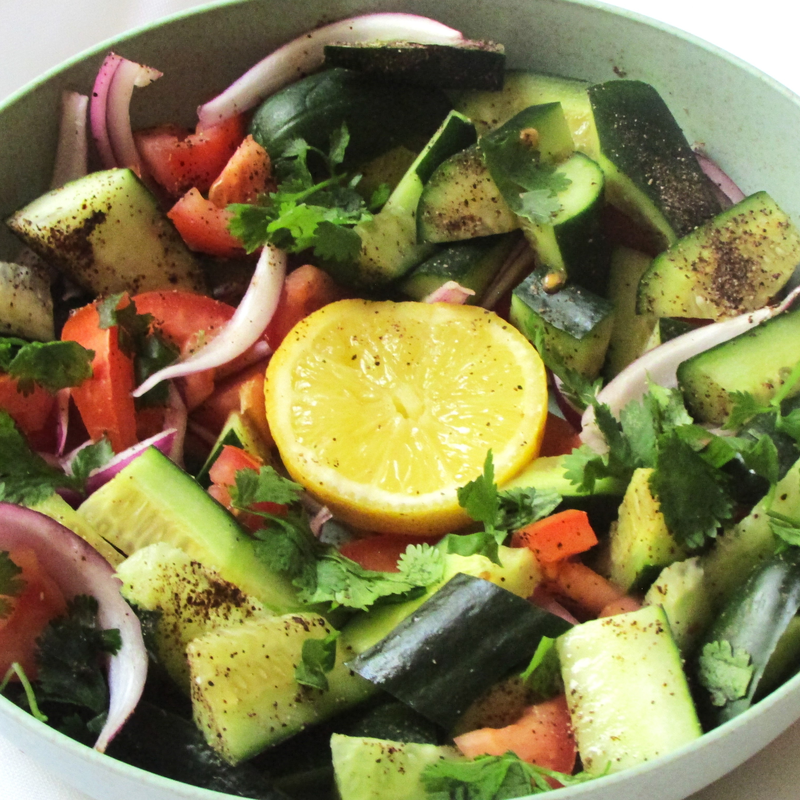
Indian Cucumber Salad
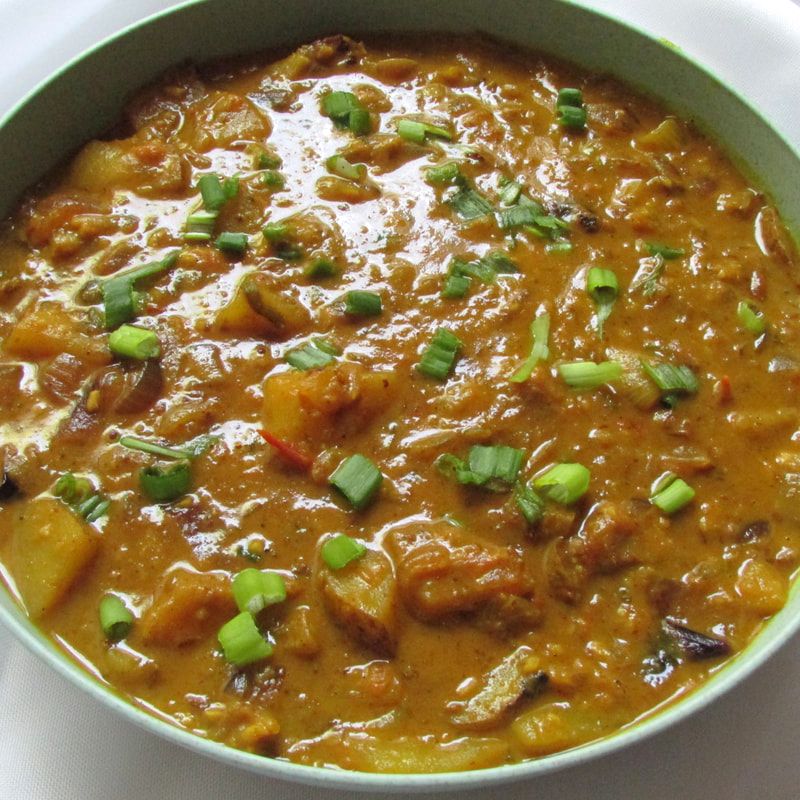
Potato Curry in Coconut Milk
Clay Pot Series Videos 
Clay Pots Buying Guide in India
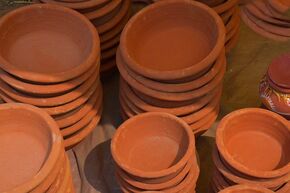
Bringing Clay Pots from India to US
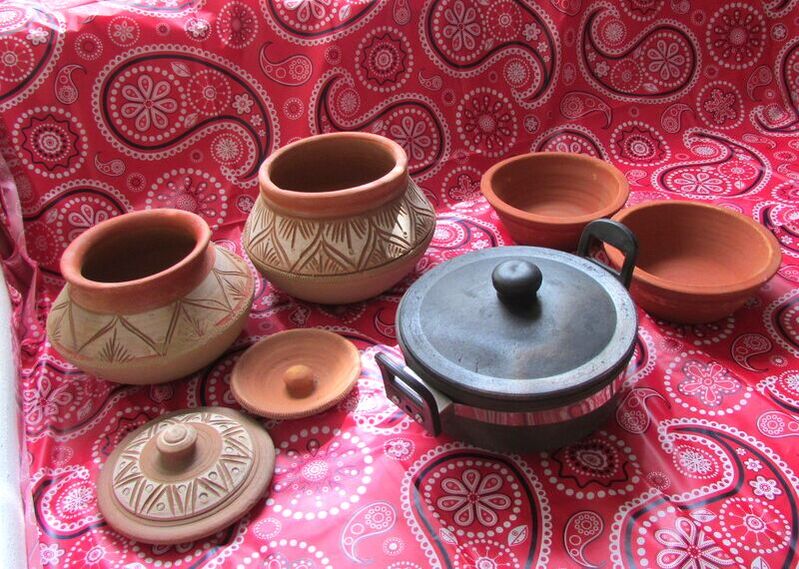
My Beautiful Clay Pots REVEALED!
Which Clay Pot is Right for You?
Some Helpful Articles 
Ayurvedic Tips for Digestion

Buddhism: The Four Elements of Love

Buddhism: What Is Metta Meditation?
|
The Garden Recipe - Subscribe To The Newsletter HERE

|
|

|
HOME HEALTH SPIRITUALITY SEX RECIPES INGREDIENTS COACHING CONTACT REVIEWS TGP
DISCLAIMER TERMS & CONDITIONS PRIVACY POLICY
DISCLAIMER TERMS & CONDITIONS PRIVACY POLICY
Copyright ©2023 THE GARDEN RECIPE, LLC
All Rights Reserved
All Rights Reserved